

 Menu
Menu
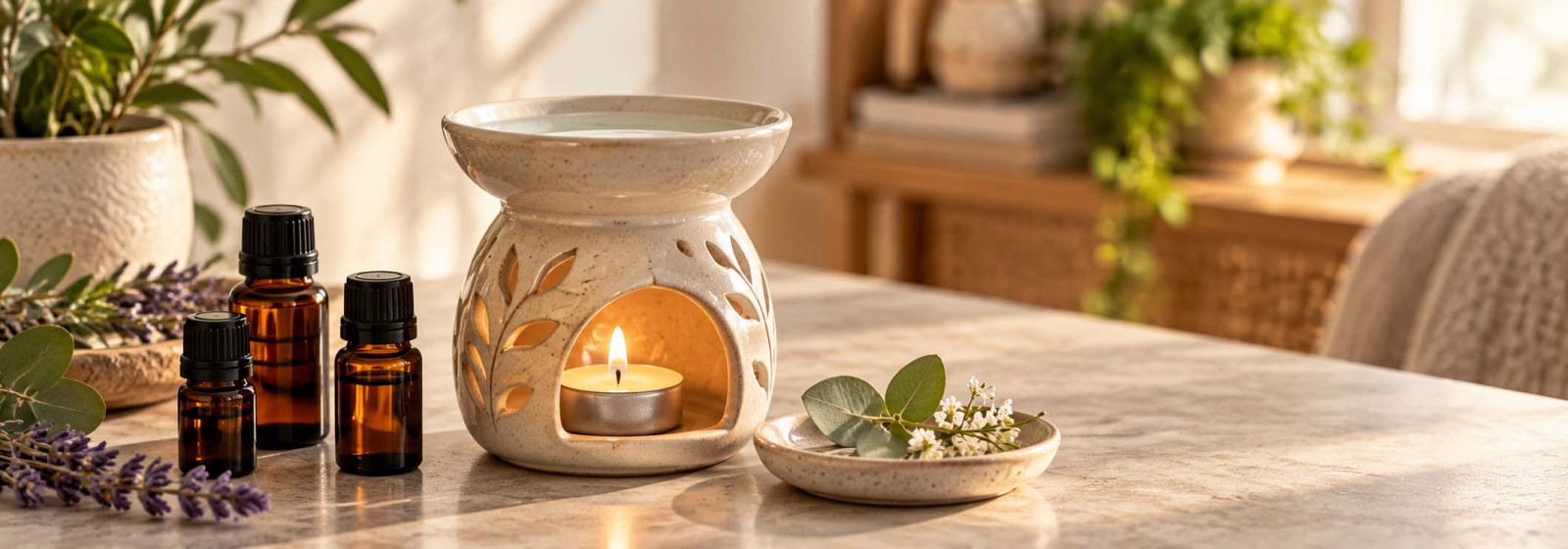
An essential oil burner is one of the simplest ways to enjoy fragrance around your home. Add water and a few drops of your chosen essential oil to the dish, place a tealight underneath, and the gentle warmth helps release the aroma into the room.
Although the process is straightforward, a few small details make a big difference. Using the right amount of oil, keeping enough water in the dish and choosing a sensible position for your burner can all help you get a more enjoyable and consistent fragrance.
This guide takes you through the process step by step.
What Is an Essential Oil Burner?
A traditional oil burner normally has a small dish or bowl at the top and a space underneath for a tealight candle.
The dish holds water mixed with essential oil. As the tealight gently warms the dish, the aromatic compounds in the oil are released into the surrounding air.
Oil burners are different from ultrasonic essential oil diffusers, which disperse a fine mist using water and vibrations rather than heat.
Some burners are designed for both fragrance oils and essential oils, while others can also be used with wax melts. Always check the instructions supplied with your particular burner before using it.
What You Will Need
You only need a few things to get started:
An oil burner suitable for use with essential oils
A standard unscented tealight
Clean water
Your chosen essential oil or essential oil blend
A lighter or matches
Using an unscented tealight is usually preferable because it allows the essential oil fragrance to come through without competing with another scent.
Place the Burner Somewhere Safe
Before adding anything to the burner, choose a suitable place for it.
It should sit on a stable, level and heat-resistant surface, away from curtains, shelves, draughts and anything that could catch fire.
Avoid positioning it where it could easily be knocked over by children, pets or people passing through the room.
It is also worth thinking about airflow. A very strong draught can disturb the tealight flame, while a completely enclosed corner may prevent the fragrance from circulating effectively.
Add Water to the Dish
Fill the upper dish with water, leaving enough space so it will not overflow once the essential oil is added.
The water acts as a carrier while the burner warms up. It also prevents the essential oil from sitting directly in a dry dish above the heat source.
The exact amount of water will depend on the size and depth of your particular burner.
Never allow the dish to boil completely dry while the tealight is still burning.
Add a Few Drops of Essential Oil
Add a small amount of essential oil to the water.
For many burners, around three to five drops is a sensible starting point, although the ideal amount depends on the size of the dish, the oil itself and the size of the room.
Some essential oils naturally smell much stronger than others, so adding more does not necessarily produce a better result.
It is usually better to begin with less and add another drop later if you would like a stronger fragrance.
Always follow any specific instructions provided with the essential oil you are using.
Light the Tealight
Place the tealight securely underneath the burner and light it.
As the water gradually warms, you should begin to notice the aroma spreading through the room.
You do not need the water to boil. Gentle heat is enough to encourage the scent to disperse.
Never leave a burning tealight unattended.
Adjust the Fragrance to Suit the Room
Give the burner some time before deciding whether the fragrance is strong enough.
Small rooms may need very little essential oil, while a larger space may require a slightly stronger mixture.
You can experiment over time to find the amount that works best for your home.
Try to resist adding a large number of drops immediately. Overly concentrated fragrance can become overwhelming rather than more enjoyable.
How Long Can You Leave an Oil Burner On?
A traditional oil burner should only be used while you are present and able to keep an eye on it.
The most important thing is to ensure there is still water in the upper dish.
If the water level becomes low, extinguish the tealight and allow the burner to cool before topping it up. Avoid pouring cold water into a very hot burner, as sudden temperature changes can damage some materials.
The burn time of the tealight and the instructions supplied with your burner should also be taken into account.
Can You Put Essential Oil Directly Into an Oil Burner?
For a traditional water-based oil burner, essential oils should normally be added to water rather than placed undiluted into a dry dish.
Heating concentrated oil directly can cause it to become excessively hot and may also leave stubborn residue behind.
If you own a different type of burner or diffuser specifically designed to use oils without water, follow the manufacturer's instructions for that device instead.
How to Make the Fragrance Stronger
If the scent feels too subtle, adding more oil is not always the first thing you should do.
Try checking:
The position of the burner:
Moving it slightly closer to the centre of the room may improve fragrance distribution.
Room size:
A small burner may struggle to fragrance a large open-plan space.
The essential oil:
Some oils have a naturally delicate aroma while others are much more noticeable.
The amount of water:
A very full dish may take longer to warm.
Airflow:
Open windows or strong draughts can carry fragrance out of the room quickly.
If everything else seems right, add another drop or two and see how the fragrance develops.
Choosing Essential Oils for Your Burner
The oil you choose can completely change the character of the room.
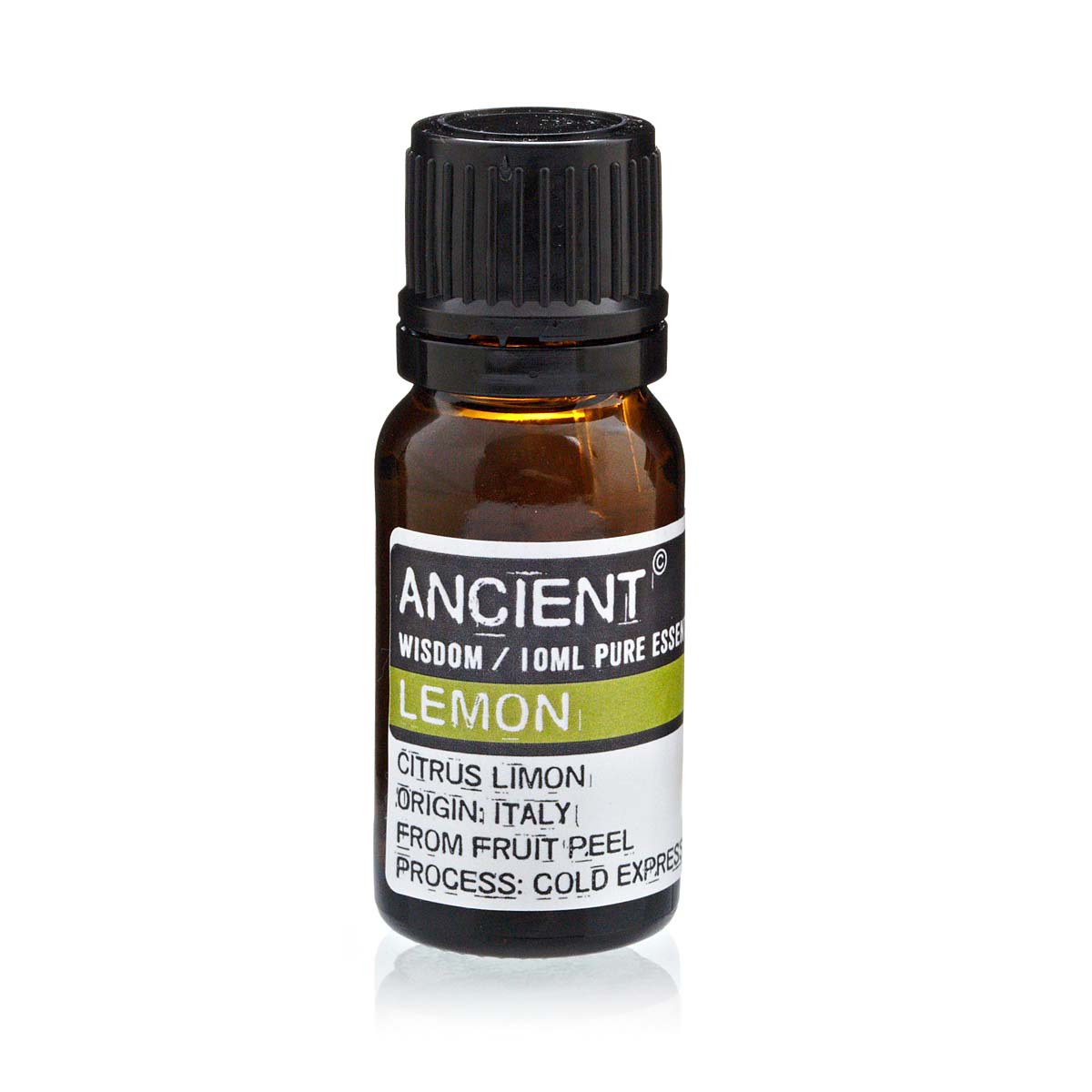
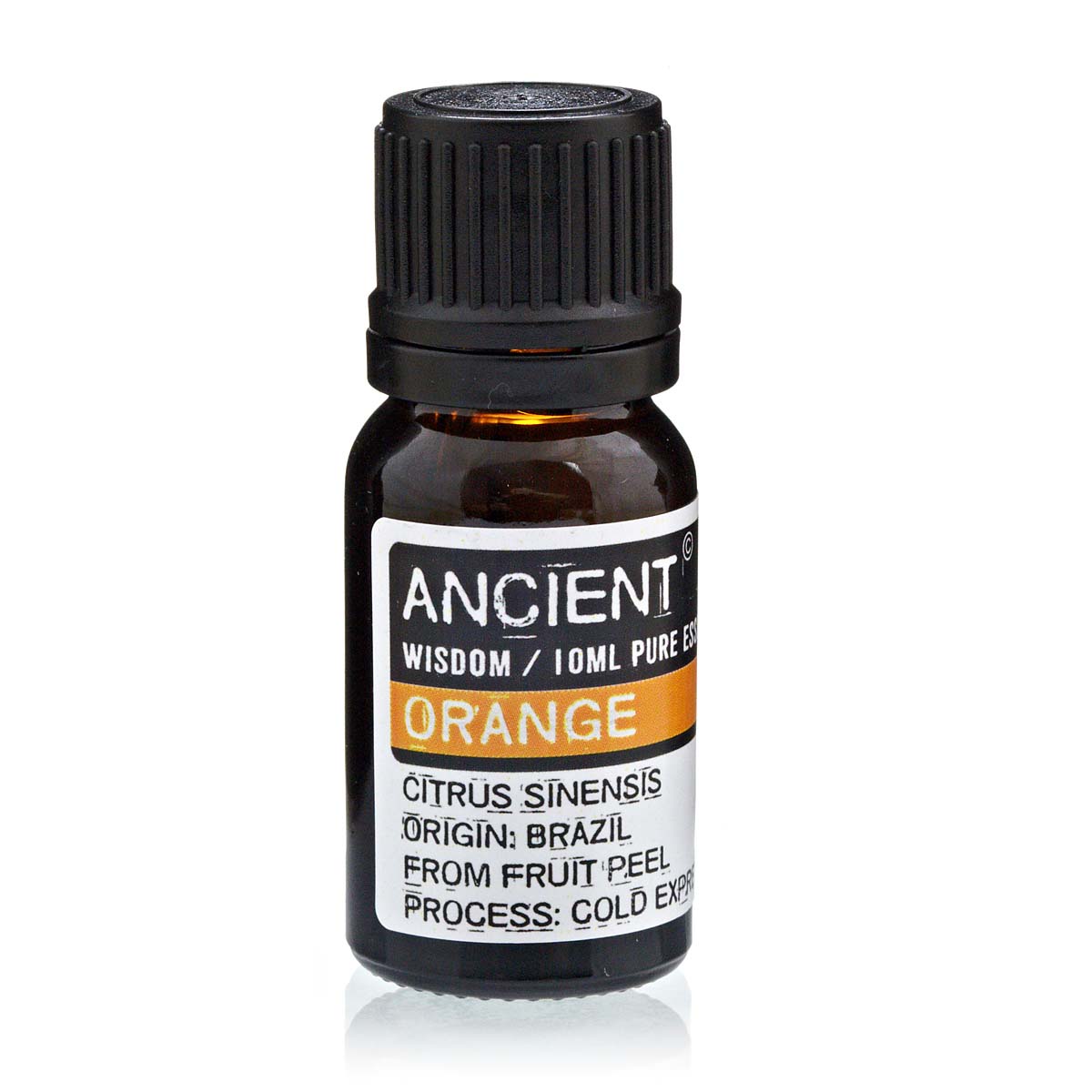
Citrus oils often have bright, fresh and lively aromas.
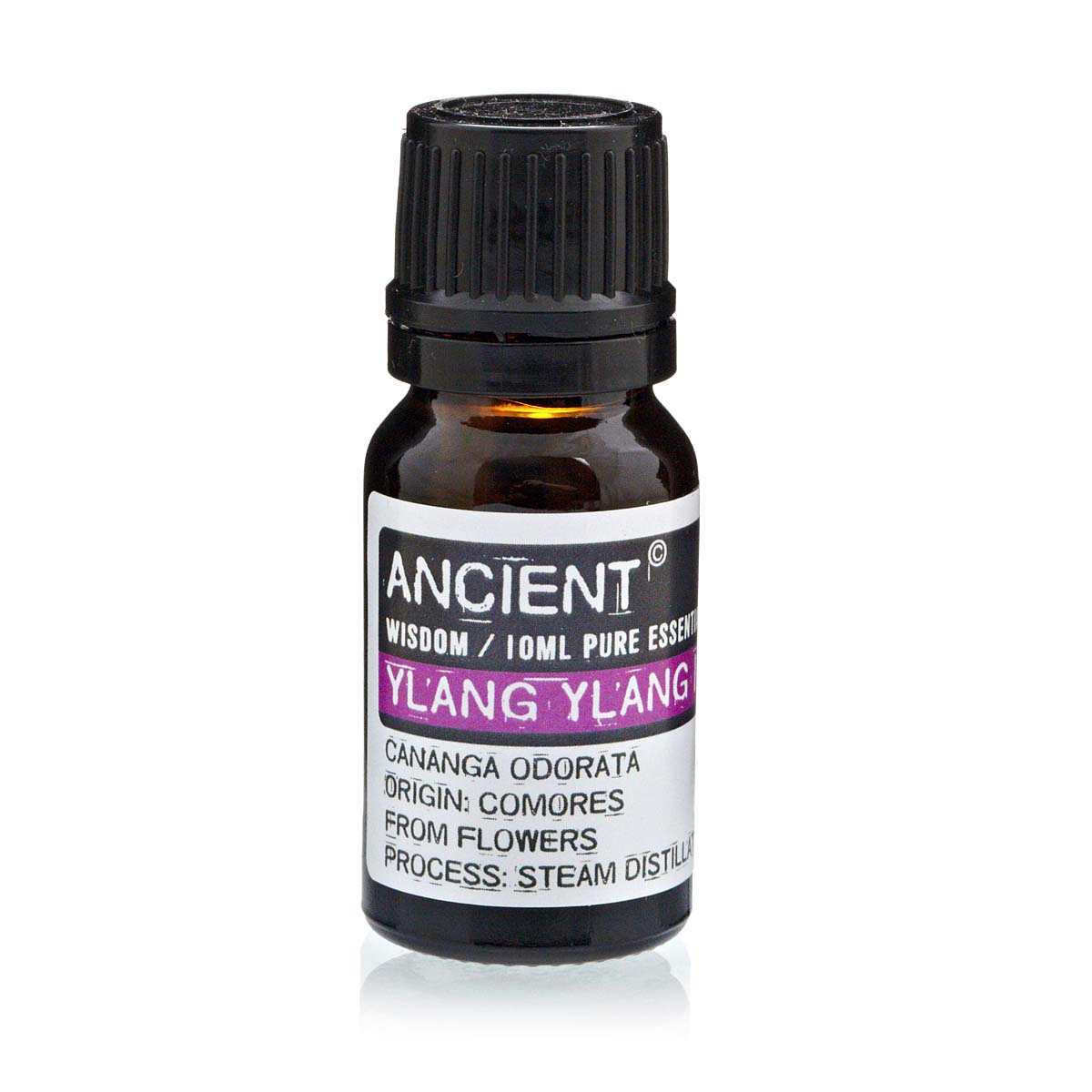
Floral oils can give a space a softer, more fragrant character.
Herbal oils tend to smell fresh, green or aromatic.
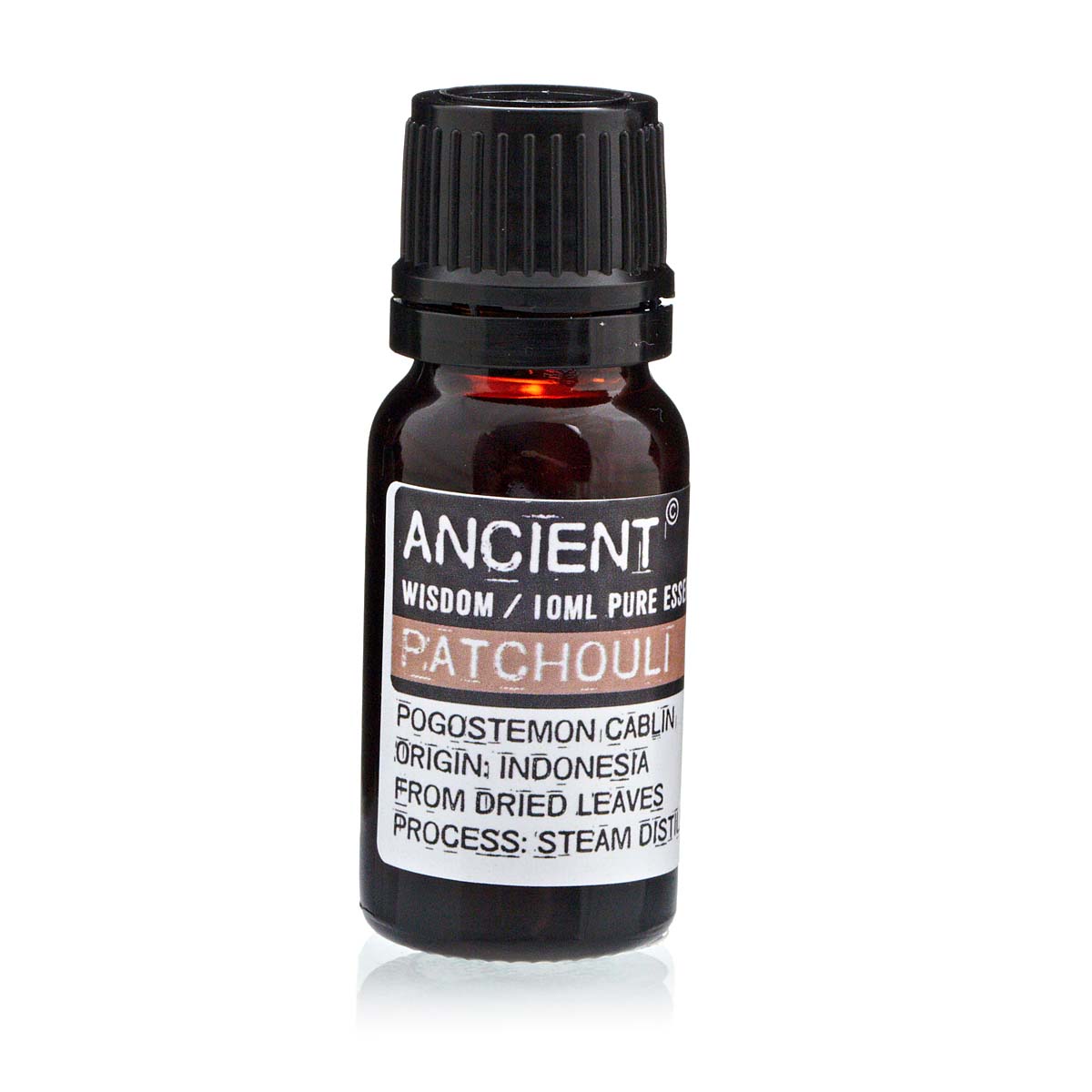
Woody oils create warmer, deeper scents.
Resinous oils can provide rich, balsamic and sometimes slightly smoky fragrance profiles.
You can use a single essential oil or experiment with blends to create something more layered.
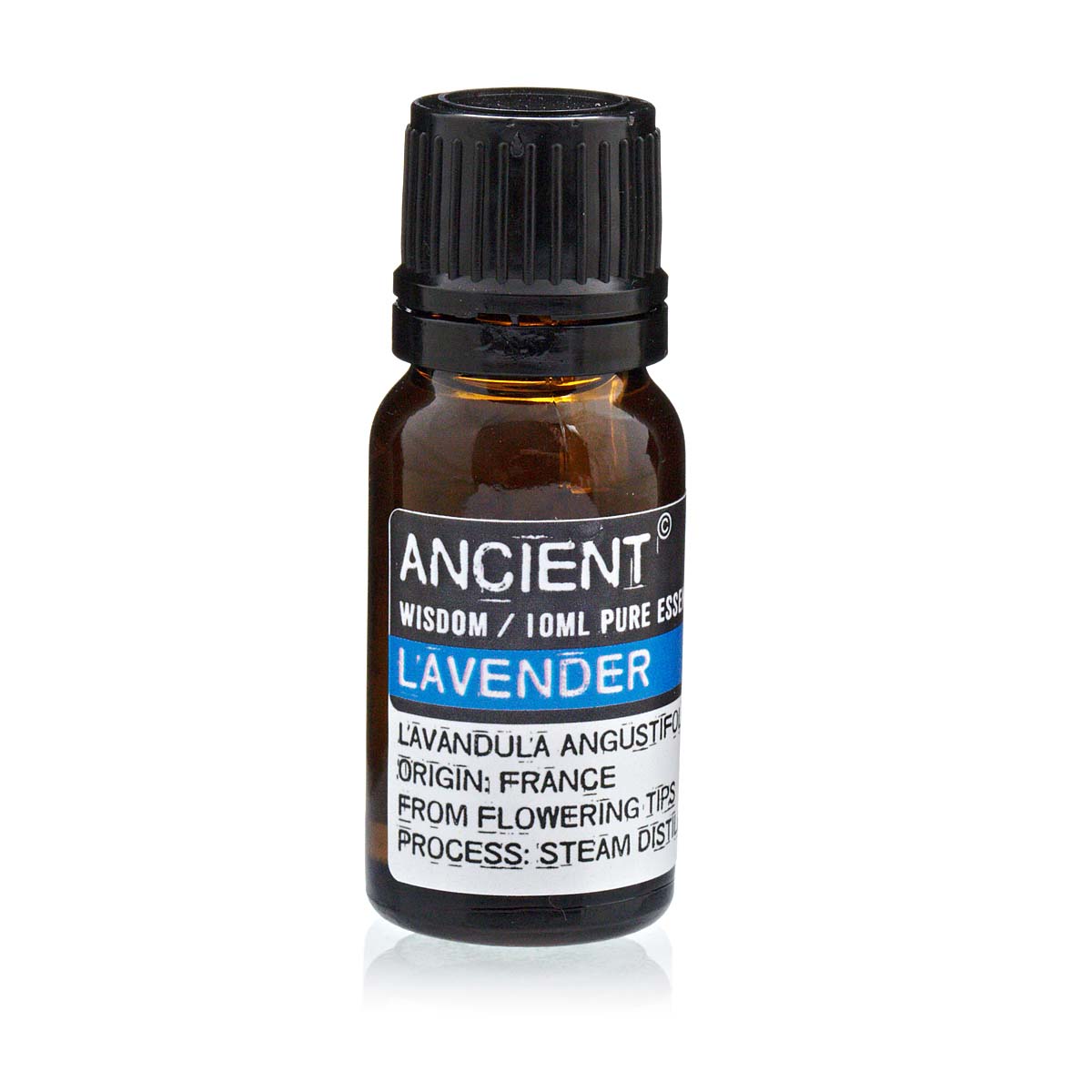
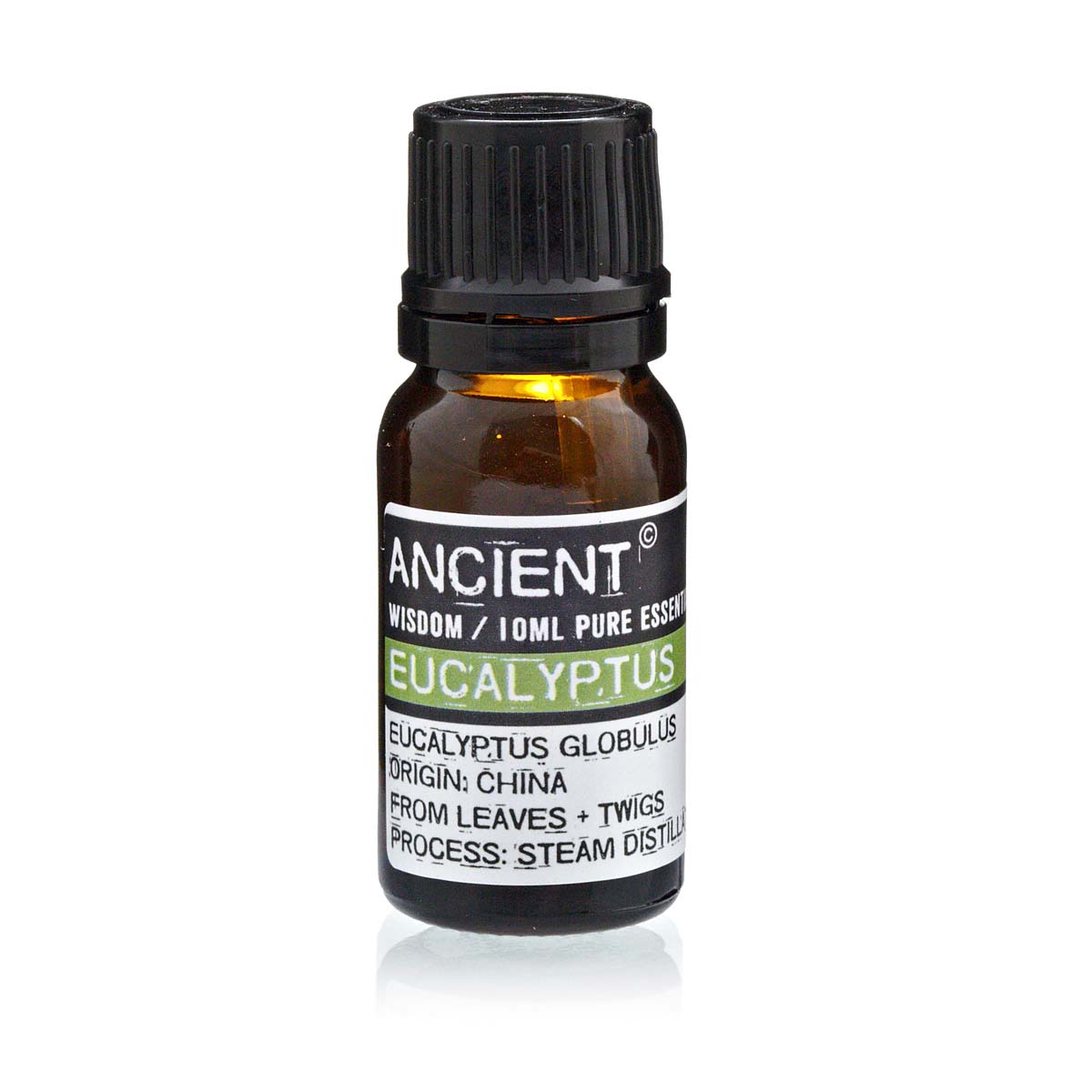
If you are new to blending, begin with just two oils and keep the quantities small. This makes it much easier to understand how the individual scents work together.
How to Clean an Essential Oil Burner
Once the tealight has been extinguished, allow the burner to cool completely before cleaning it.
Dispose of any remaining water and wipe the dish clean with a soft cloth or kitchen paper.
For more persistent oily residue, use warm water and a little mild washing-up liquid if the material of your burner allows it.
Regular cleaning is worthwhile, particularly if you frequently change scents. Residue from a previous essential oil can alter the fragrance of the next one you use.
Oil Burner Safety Tips
Oil burners involve an open flame and a heated surface, so they should always be treated with care.
Keep these basic precautions in mind:
Never leave a lit oil burner unattended.
Keep it away from children and pets.
Use it on a stable, heat-resistant surface.
Keep it away from flammable materials and draughts.
Do not move the burner while the tealight is lit or while the burner is hot.
Do not allow the water dish to run dry.
Let the burner cool before adding more water or cleaning it.
Follow the safety instructions supplied with both the burner and essential oil.
If your burner has been damaged, cracked or chipped, it is safer to stop using it.
Essential Oil Burner or Essential Oil Diffuser?
Both can fragrance a room, but they work differently.
An oil burner uses heat from a tealight to warm water and essential oil. It has a traditional appearance and creates the added atmosphere of a small candle flame.
An ultrasonic diffuser uses water and ultrasonic vibrations to create a scented mist without a flame.
Neither is automatically better. The right choice depends on how you prefer to fragrance your home and whether you want the appearance and ambience of a traditional burner.
A Simple Way to Explore Essential Oils at Home
Using an oil burner does not need to be complicated. Start with water, add a small number of essential oil drops and allow the fragrance to develop gradually.
Once you become familiar with the strength of different oils, you can experiment with quantities and blends to find combinations that suit your space.
For anyone beginning to explore essential oils, an oil burner provides a simple and traditional way to experience different aromas around the home.
 Login to Leave the First Comment
More articles you may enjoy: