

 Menu
Menu
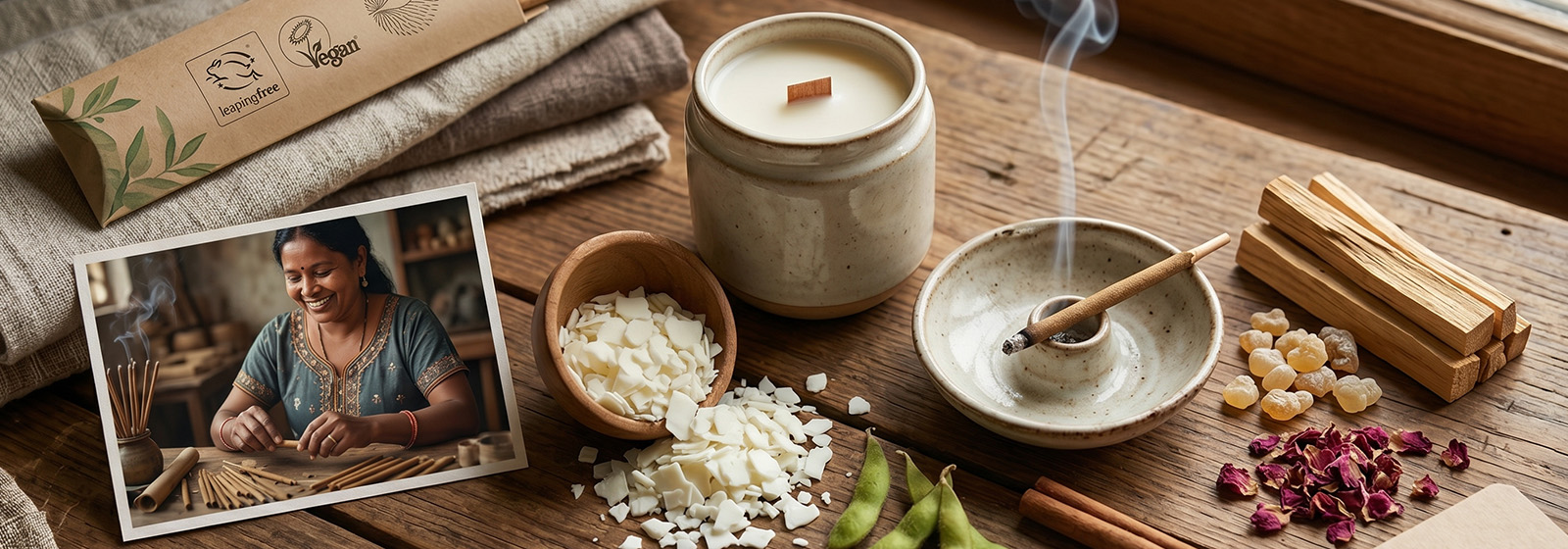
We all know the feeling. You strike a match, light your favourite candle or a stick of incense, and within minutes, the room transforms. Scent has a unique power to ground us, relax us, and change the entire atmosphere of our homes. But as we inhale those calming aromas, it is worth pausing to ask: what exactly goes into the fragrances we bring into our sanctuaries?
The modern fragrance industry is vast, and unfortunately, not all scents are created equal. As consumers become more conscious of their environmental and ethical footprint, the demand for transparency has grown. Here is a look at why sustainable sourcing, cruelty-free practices, and fair trade are non-negotiable when it comes to the candles and incense we choose to burn.
Sustainable Sourcing: Protecting the Planet's Resources
Many conventional candles are made from paraffin wax, a byproduct of petroleum refining. Similarly, mass-produced incense often relies on synthetic fragrances and chemical binders. When you burn these, you are not just releasing pleasant smells; you are releasing the results of heavily industrialised, unsustainable practices into your air.
Sustainable sourcing flips the script. It means looking for renewable, plant-based alternatives that do not deplete the earth. For candles, this often looks like soy, coconut, or beeswax harvested without harming the ecosystem. For incense, it means utilising natural resins, sustainably harvested woods (like ethically sourced Palo Santo or sandalwood), and pure essential oils.

When brands prioritise sustainability, they ensure that the raw materials are harvested in a way that allows the plants and surrounding environments to regenerate naturally. It is about taking only what the earth can comfortably give back.
Cruelty-Free Scent: Compassion in Every Note
It might seem strange to think about animal testing when buying a candle or a room spray, but the reality is that many individual fragrance notes and chemical compounds historically have been tested on animals.
Choosing cruelty-free fragrance means ensuring that absolutely no animal testing was conducted at any stage of production—neither by the final brand nor by the suppliers of the raw ingredients. Furthermore, it means looking out for animal-derived ingredients. While beeswax is a natural option, many ethical consumers and brands prefer 100% vegan formulations, ensuring that no animals were exploited to scent your home. A truly peaceful environment starts with products made through compassion.
Fair Trade Practices: Supporting the Makers
The journey of a scent often begins far from the shelves of your local boutique. Essential oils, resins, and herbs are frequently sourced from developing nations where agricultural workers and artisans do the heavy lifting.
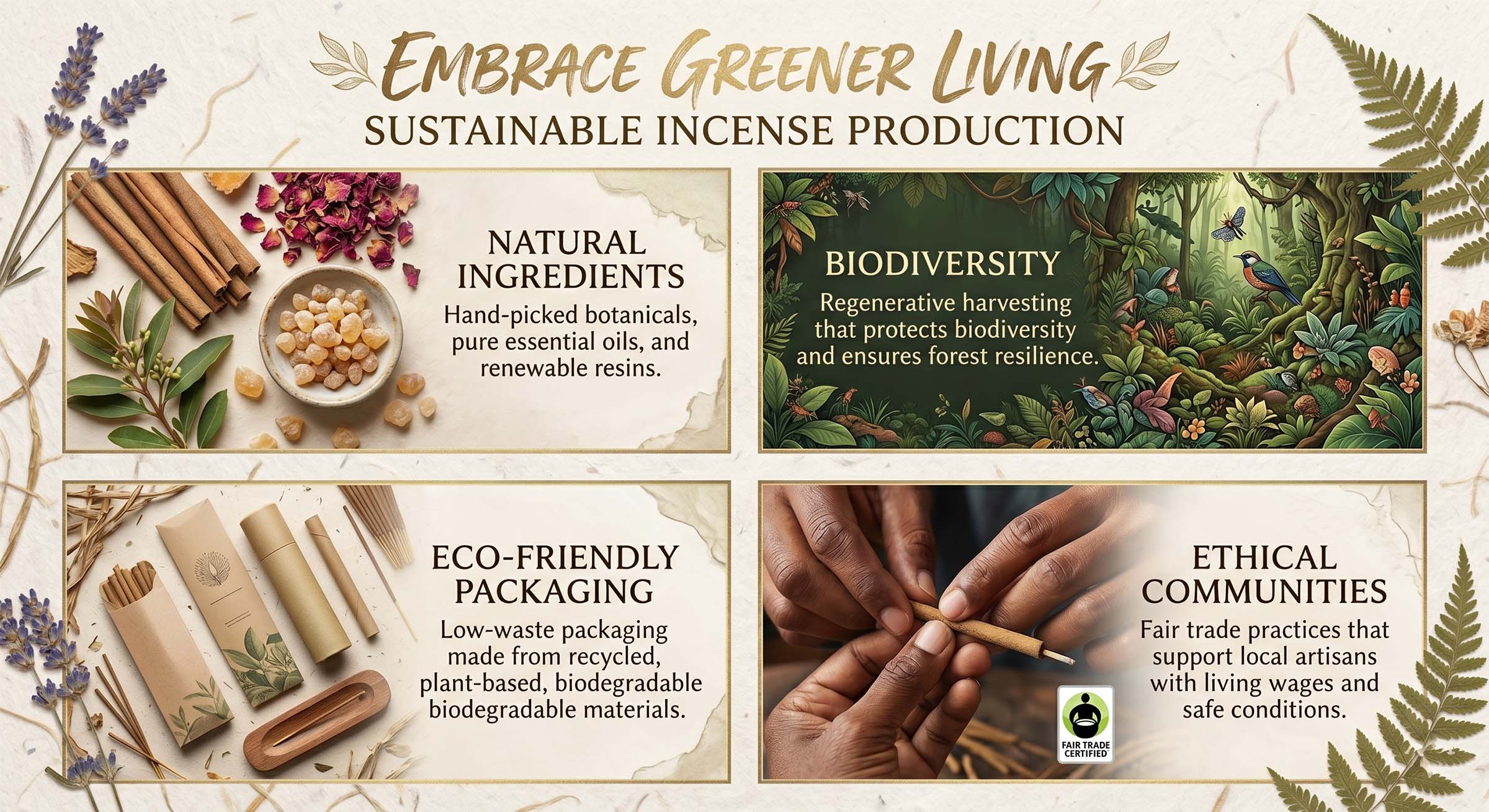
Fair trade practices ensure that the people cultivating and harvesting these raw materials are paid a living wage, work in safe conditions, and are not subjected to exploitative labour practices. When a brand commits to fair trade, it means they are investing in the communities that provide their ingredients. Whether it is a women's cooperative in Morocco processing essential oils or traditional incense rollers in India, supporting fair trade ensures that your purchase empowers workers rather than exploiting them.
Lighting the Way Forward
Creating a mindful space is about more than just aesthetics; it is about the energy and intention behind the items you choose to include in it.
The next time you shop for a new signature scent for your living room, take a moment to look behind the label. By supporting brands that champion sustainable sourcing, cruelty-free production, and fair trade partnerships, you are doing more than making your house smell wonderful. You are voting for a greener, kinder, and fairer world—one flicker at a time.
 Login to Leave the First Comment
More articles you may enjoy: